
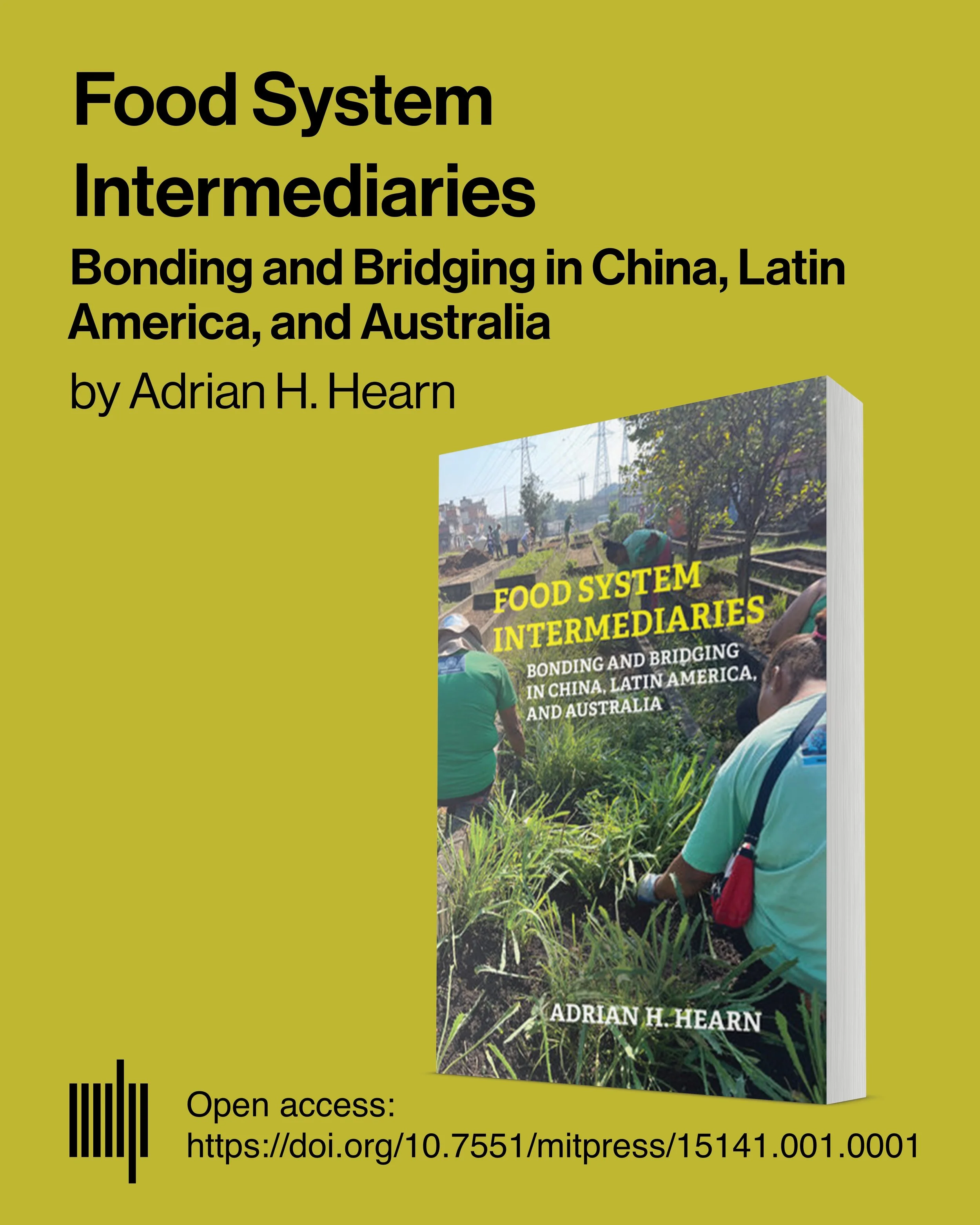
Explore food system sustainability through case studies of community farms in Australia, Brazil, Cuba, and China
“Adrian Hearn again puts to use his considerable gift as an ethnographer to give us a series of lucid studies about the role of strategic intermediaries in making possible a viable system of food production, distribution, and consumption.”
- Alejandro Portes, Princeton University and Miami University

Marshaling five years of ethnographic research and a decade of analysis, the book shows how trust (and its absence) is conditioning Cuban and Mexican relations with China
“A much-needed bottom-up perspective by focusing on local actors, specifically leaders and entrepreneurs of the historic Chinese communities of socialist Cuba and neoliberal Mexico.”
- Evelyn Hu Dehart, Brown University
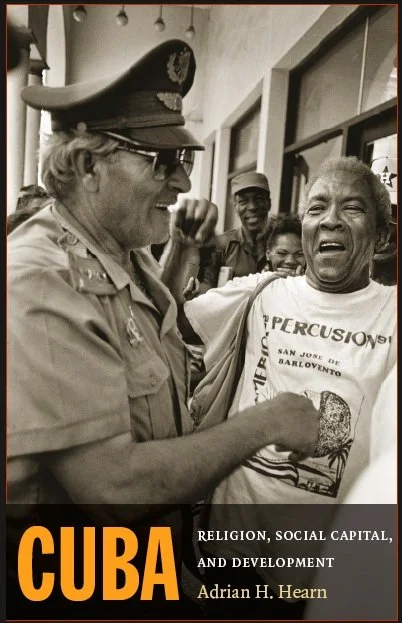
This book finds that emerging welfare projects led by Afro-Cuban religious communities are building the foundations of Cuban civil society
“Reveals the complexity of Cuban society through remarkable ethnographic research.” - Margaret E. Crahan, Columbia University
"One of the best studies on civil society in Cuba that I have read.” - Ariel Armony, Pittsburgh University
Asking how Latin America and Asia can find mutual interests, the book combines international relations with politics and anthropology
"A highly important and original contribution to current debates on transpacific economic integration."
- Hiroki Takeuchi, Southern Methodist University
This book examines how China-Latin America relations have developed over more than two hundred years to the present day
“The authors reveal how ethnic ties, lobbying, back-room deals, and competing ideas about China's role in the world are working alongside state and market strategies to shape 21st century geopolitics and trade." - Yang Jiemian, Shanghai Institute for International Studies
“A must-read for those seeking to better understand Chinese engagement in Latin America.” - Kevin P. Gallagher, Boston University